




Managing Keratoconus for Clearer, More Comfortable Vision
At Optometric Group, our team uses advanced diagnostic technology to detect keratoconus, monitor its progression, and develop personalized treatment plans designed to protect your vision and improve your quality of life.
What Is
Keratoconus?
A healthy cornea has a smooth, rounded surface that helps focus light properly. As the condition progresses, the irregular shape of the cornea causes light to scatter, leading to blurry and distorted vision that often cannot be fully corrected with standard glasses.
The condition typically develops during the teenage years or early adulthood and may continue to progress for many years.


Common Keratoconus Symptoms
Symptoms often begin gradually and may worsen over time.
Common signs include:
- Blurred or distorted vision
- Increasing nearsightedness
- Worsening astigmatism
- Frequent prescription changes
- Glare and halos around lights
- Difficulty driving at night
- Double vision in one eye
- Eye strain and headaches
- Increased sensitivity to light
Because symptoms often resemble other vision problems during the early stages, professional evaluation is important for an accurate diagnosis.
What Causes Keratoconus?
The exact cause of the condition is not fully understood, but several factors may increase a person’s risk.
Potential risk factors include:
- Family history
- Chronic eye rubbing
- Allergies and eye irritation
- Certain connective tissue disorders
- Genetic factors
While keratoconus cannot always be prevented, early detection can significantly improve long-term outcomes.

Why Early
Diagnosis Matters
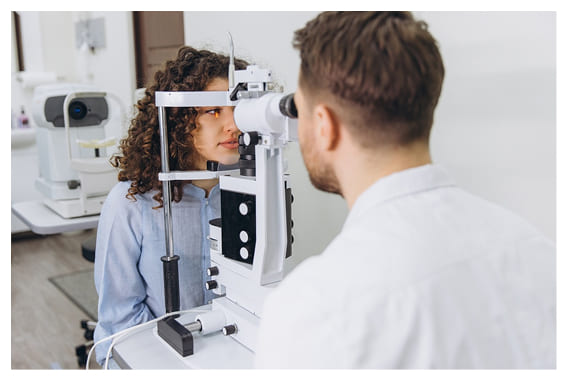
Advanced corneal imaging allows eye doctors to detect subtle corneal changes before symptoms become severe. Early diagnosis also makes it easier to monitor progression and determine when additional treatment may be necessary.
Regular comprehensive eye exams are especially important for patients with a family history of the condition or unexplained changes in their vision.
How We Diagnose Keratoconus
At Optometric Group, we use advanced technology to evaluate the health and shape of your cornea.
Your evaluation may include:
- Comprehensive eye examination
- Corneal topography
- Corneal mapping
- Vision testing
- Detailed review of symptoms and medical history
These measurements help us accurately diagnose patients and determine the most appropriate management strategy for your eyes.

Our recommendations are tailored to each patient’s needs and may include ongoing monitoring, specialty contact lenses, or referral for advanced treatment when appropriate.
Specialty Contact Lenses for Keratoconus
Scleral
Lenses
Ongoing Monitoring and Co-Management
Benefits of Ongoing Keratoconus Care
Consistent monitoring and treatment can help:
- Preserve vision
- Improve visual clarity
- Increase comfort
- Detect progression early
- Reduce complications
- Improve quality of life
- Support long-term eye health
The right management plan can make a significant difference in your daily vision and long-term visual outcomes.

Schedule a
Keratoconus Evaluation
If you received a keratoconus diagnosis or are experiencing symptoms such as worsening astigmatism, blurry vision, or frequent prescription changes, our team can help.
Contact Optometric Group today to schedule a comprehensive evaluation and learn about the treatment options available to protect and improve your vision.


